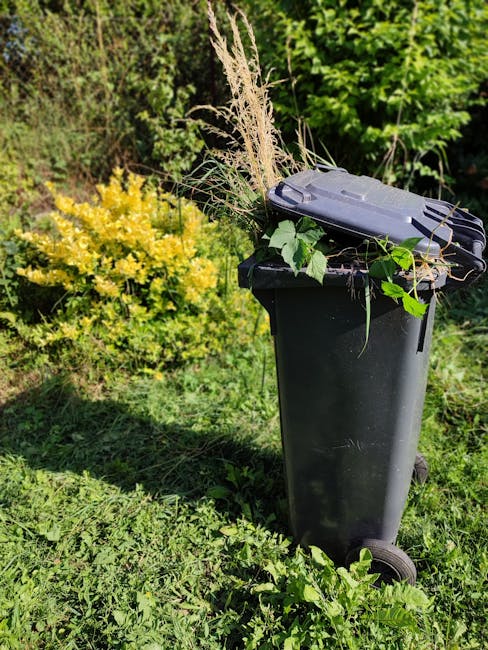
Ealing council garden waste disposal and fines explained
If you are clearing a border, cutting back a hedge, or finally dealing with that pile of grass cuttings that has been staring at you for a week, it is easy to assume garden waste is just "green stuff" that can go in any bin. In reality, the rules around garden waste disposal in Ealing can be a little fiddly, and getting it wrong can lead to unwanted costs or even fines. This guide on Ealing council garden waste disposal and fines explained breaks it all down in plain English, so you can work out what is allowed, what is not, and the safest way to stay on the right side of local rules.
We will look at the usual disposal options, the most common mistakes, where fines can arise, and what to do if you have more garden debris than your household bins can handle. Truth be told, most problems come from small misunderstandings rather than deliberate rule-breaking. That is the good news.
For larger jobs, many homeowners also decide it is simpler to plan the clearance properly from the start, especially when the work sits alongside regular garden maintenance or a full garden clearance.
Table of Contents
- Why Ealing council garden waste disposal and fines explained matters
- How Ealing council garden waste disposal and fines explained works
- Key benefits and practical advantages
- Who this is for and when it makes sense
- Step-by-step guidance
- Expert tips for better results
- Common mistakes to avoid
- Tools, resources and recommendations
- Law, compliance, standards, or best practice
- Options, methods, or comparison table
- Case study or real-world example
- Practical checklist
- Conclusion
- Frequently asked questions
Why Ealing council garden waste disposal and fines explained Matters
Garden waste sounds harmless, but councils take a fairly practical view: waste has to be sorted, contained, presented correctly, and moved in a lawful way. If not, it can become a nuisance, attract pests, create litter, or end up being treated as fly-tipping. That is where fines and enforcement can start to matter.
The issue is not just about leaves and lawn clippings. In a typical Ealing garden, waste might include hedge trimmings, branches, soil, turf, invasive plants, old compost bags, and bits of timber from broken planters or edging. Some of that is green waste, some of it is not, and mixing the two can create headaches. You will notice that what seems like a tiny detail at the back of the garden can become a bigger issue once it is loaded into bags and left out incorrectly.
There is also a cost angle. If you misunderstand the rules, you may end up paying more for a private clearance than you expected, or worse, paying a penalty because waste was put out in the wrong place or handed to someone who was not properly licensed. That sounds dramatic, but it happens. Often it is as simple as a bag of cuttings left beside the bins after collection day. Small mistake, annoying result.
So why does this topic matter so much? Because the safest route is usually the most boring one: separate, bag, store, arrange removal properly. Not glamorous, but effective.
How Ealing council garden waste disposal and fines explained Works
In practical terms, garden waste disposal in Ealing comes down to three questions: what you have, how much of it there is, and how you are getting rid of it. The council's expectations are normally based on public waste rules, local collection arrangements, and whether the material is being presented in the correct way for collection or taken to a suitable disposal route.
For many households, the first step is deciding whether the waste can go through a normal garden waste service, if that service is available and suitable, or whether it needs to be taken elsewhere. Garden waste is usually organic material from routine garden work: grass, leaves, weeds, small clippings, and similar items. It becomes more complicated when you add contaminated soil, large branches, treated wood, or general household rubbish.
Fines are usually not about the existence of garden waste itself. They arise from how it is managed. Common triggers include:
- Leaving waste in the wrong place or at the wrong time.
- Putting waste out loose, without following the expected presentation method.
- Mixing garden waste with household rubbish or construction debris.
- Handing waste to an unlicensed collector or someone who offers a suspiciously cheap removal service.
- Dumping waste in public land, alleyways, or other areas not meant for disposal.
That last one is worth stressing. If you pay someone to take your waste and they dump it somewhere they should not, you can still face questions if you failed to check who you were dealing with. A little awkward, yes, but it is exactly the sort of thing that catches people out.
There is another layer too: some garden jobs generate bulky or awkward material that the household system simply was not built for. Think of a hedge reduction after a long summer, or a tree cutback after a windy spell when the garden looks like it has had a minor storm through it. In those cases, a planned removal service is often the calmer option. If the work includes overgrown hedges, for instance, a specialist hedge trimming visit can reduce the amount of waste created in the first place.
Key Benefits and Practical Advantages
Getting garden waste disposal right is not just about avoiding problems. It genuinely makes garden care easier.
- Lower risk of fines: You reduce the chance of enforcement action, complaints, or missed-collection headaches.
- Cleaner garden workflow: When waste is separated properly, you can finish a job without clutter hanging around for days.
- Better recycling outcomes: Clean green waste is easier to compost, mulch, or process appropriately.
- Less mess at the kerbside: Neat presentation matters, especially in shared streets where one untidy pile becomes everybody's problem.
- More predictable costs: When you know the disposal route, you can compare options sensibly instead of reacting at the last minute.
There is also a more subtle benefit: peace of mind. A lot of homeowners spend more energy worrying about whether they have done the right thing than it would have taken to do it properly in the first place. A bit of planning saves that nagging feeling. You know the one.
If you are already budgeting for wider outdoor improvements, disposal planning sits neatly alongside services such as lawn mowing, tree lopping and removal, or even a full refresh through landscaping.
Who This Is For and When It Makes Sense
This guide is for anyone in Ealing who has garden waste to move and wants to avoid the classic mistakes. That includes:
- Homeowners doing routine gardening.
- Landlords clearing a property before or after tenants move out.
- Busy families tackling an overgrown garden at the weekend.
- Older residents who prefer to have the waste handled safely and efficiently.
- People carrying out seasonal work after a heavy growth period.
- Anyone who has been told they may have disposed of garden waste incorrectly and wants to understand the risk.
It makes sense to think about disposal before the first cut is made. That sounds obvious, but many people only realise the scale of the waste after the bags start piling up. A quick tidy of a small patch can suddenly become a trailer-load of cuttings, especially after wet weather or when a hedge has been neglected for a while.
For example, if you are cutting back thick shrubs in late afternoon and the light starts to fade, the last thing you want is to stand there wondering where the mountain of branches goes. That is usually the moment people say, "I should have planned this better." Happens all the time.
In those situations, it can help to look at options that sit beyond ordinary bin collection, especially if the garden needs more than a light touch. A good place to start is the company's own services overview if you are weighing up broader outdoor work rather than a one-off tidy-up.
Step-by-Step Guidance
If you want to stay compliant and keep the whole job manageable, use a simple process.
- Sort the waste first. Separate grass, leaves, hedge trimmings, branches, soil, stones, and anything non-organic.
- Remove non-garden contamination. Plastic plant pots, metal fixings, string, broken tools, and general rubbish should not be mixed into green waste.
- Assess volume honestly. A few bags are one thing; a full garden clearance is something else entirely.
- Check the correct disposal route. Decide whether the waste can be collected through a council arrangement or needs a private service.
- Package it properly. Use the format expected by your disposal route. Loose waste, overfilled bags, and badly tied bundles are where things start to slip.
- Keep it on your property until collection. Do not leave waste in communal areas, pavements, or alleyways unless an approved collection method says otherwise.
- Choose a reputable collector if needed. If the waste is going out via a third party, make sure they are using lawful disposal practices and that the work is clearly agreed.
- Keep your paperwork or confirmation. Even a simple message, booking note, or quote can be useful if there is ever a dispute.
That process sounds a bit formal, but it is easier than dealing with a complaint later. And let's face it, no one wants to spend their evening arguing about a black bag full of hedge clippings.
Expert Tips for Better Results
After years of helping people plan outdoor work properly, a few practical habits stand out.
First, clear in stages. If the garden is badly overgrown, do not try to dismantle everything in one heroic afternoon. Break it up. One bed, one hedge, one section at a time. You get a clearer picture of the waste volume and reduce the risk of creating a disposal mess.
Second, think about waste before cutting. If a shrub is likely to produce heavy woody offcuts, plan for them. If a border has weeks of dead growth packed into it, expect more volume than you think. Everyone underestimates the pile at least once.
Third, keep clean green waste separate. Clean grass and leaves are much easier to handle than a mixed load with soil, pots, and rubble. That separation can make a real difference to how straightforward the disposal is.
Fourth, do not leave cuttings out for too long. In warm weather they start to smell, dry out, or blow around. On a breezy morning, even a neat pile can move itself a bit. Annoying, but true.
Fifth, if in doubt, get advice before disposal day. A five-minute check can save a much bigger headache. That is especially true if you have tree material, turf, or large volumes from a one-off project.
If your garden work is part of a bigger refresh, you may also want to think about related services like garden maintenance to prevent waste from building up again so quickly. It is a small change, but it keeps things under control.
Expert summary: The safest way to avoid garden waste fines is to keep waste clean, contained, and traceable. Most penalties start with poor presentation or careless disposal, not the gardening itself.
Common Mistakes to Avoid
The same errors appear again and again. Some are tiny, some are more serious.
- Mixing everything together. Once garden waste is contaminated with other rubbish, it becomes harder and more expensive to deal with.
- Using the wrong collector. If someone offers a cheap van collection with no clear disposal details, be careful.
- Assuming all green waste is equal. Branches, soil, turf, and clippings are not always handled in the same way.
- Leaving piles in public view. That can trigger complaints from neighbours and may be treated as fly-tipping if the waste is in an inappropriate place.
- Overfilling bags. Broken bags tend to spread debris everywhere. No one enjoys chasing grass clippings across a wet pavement.
- Waiting until after the job is done to plan disposal. By then, the easiest options may already be gone.
Another common issue is underestimating how much waste a hedge or tree section creates. A small front garden can produce a surprising amount, especially if the growth is dense. What looks like a tidy little trim on paper can become a much bigger removal job once the branches are on the ground.
If the job has a woody element, a service such as tree lopping and removal can be the difference between a manageable tidy and a week of awkward bags.
Tools, Resources and Recommendations
You do not need fancy equipment to manage garden waste well, but a few basics help.
- Heavy-duty sacks or sturdy bags: Helpful for grass, leaves, and lighter clippings.
- Tarpaulin or ground sheet: Makes it easier to gather waste into one place.
- Rake and hand fork: Good for clearing loose material before bagging.
- Secateurs and pruning saw: Better cuts mean cleaner waste and fewer jagged branches.
- Gloves and protective footwear: Basic, but worth it. Thorny shrubs can be unforgiving.
- Wheelbarrow or garden trolley: Useful if the waste has to be moved through narrow side access.
On the service side, it is sensible to compare disposal with the wider work being done. For example, if you are already commissioning hedge trimming or a deeper rework through landscape gardening, ask how the waste will be handled before the job starts. The answer should be clear, not vague or "we'll sort it later".
For residents who care about sustainability, it can also be worth choosing an approach that aligns with reuse and recycling where possible. The site's recycling and sustainability page is a sensible companion read if you want to think beyond the immediate clearance.
Law, Compliance, Standards, or Best Practice
This is the part people often skim, but it matters. Garden waste is still waste, and waste handling in the UK is expected to follow proper disposal standards. In practice, that means you should treat garden waste with the same care you would give to any other material that can cause nuisance if handled badly.
Best practice generally means:
- Only giving waste to a person or business that uses lawful disposal routes.
- Keeping clear records where a paid removal service is used.
- Not dumping waste on land, pavements, verges, or communal areas.
- Separating green waste from non-green waste.
- Following the collection instructions that apply to your property or street.
The exact enforcement route can vary, and councils may use different mechanisms depending on what happened. So it is wise to avoid guessing. If you are unsure about a collection rule, check before putting anything out. That is the safest line, honestly.
There is also a practical standard here: if a disposal method feels dodgy, it probably is. A vehicle without any sensible paperwork, a collector who wants cash only, or a promise to "take it away cheap" with no explanation should set off a few alarms. Not panic, just caution. A little healthy suspicion goes a long way.
Options, Methods, or Comparison Table
Different disposal methods suit different jobs. Here is a simple comparison to help you choose.
| Option | Best for | Advantages | Watch-outs |
|---|---|---|---|
| Council garden waste collection | Regular, manageable green waste | Simple when available, familiar process | May have limits on volume, presentation, or accepted materials |
| Private garden clearance | Large clear-outs, bulky waste, one-off jobs | Flexible, quicker for bigger volumes | Quality depends on the provider; check disposal practices |
| Self-hauled disposal | Smaller loads or when you have transport | Direct control, can suit tidy weekend jobs | Time-consuming, physically demanding, requires proper sorting |
| On-site composting | Leaves, grass, light clippings | Low waste, useful for the garden long term | Not suitable for all material; slower and needs space |
For many households, the most sensible route is a mixture. Light, regular cuttings can be managed one way, while bigger seasonal clearances need a more robust plan. That balanced approach tends to work better than trying to force everything into one method.
Case Study or Real-World Example
Here is a realistic scenario. A homeowner in Ealing spends a Saturday morning cutting back an overgrown hedge, pulling weeds from the front border, and trimming the lawn edges. At first, it seems like a small tidy-up. By lunchtime there are six bags of green waste, a stack of woody clippings, and a few broken plant ties mixed in with the debris.
They leave the bags by the side gate, planning to "deal with it after the weekend". On a windy evening, the lighter cuttings spread across the path, and a neighbour assumes the pile has been fly-tipped. It is not a disaster, but it becomes a nuisance. A simple re-plan would have helped: separate the material, bag it properly, arrange removal the same day, and keep the side access clear.
In a slightly larger version of the same story, the homeowner also had a failing shrub bed and a patchy lawn. They booked a tidy-up, combined it with lawn mowing and some light landscaping, and asked in advance how the waste would be removed. Everything was cleared in one go, no leftover mess, no guesswork. Plain sailing, really.
Practical Checklist
Use this before you set anything out for disposal.
- Have I separated green waste from household rubbish?
- Are branches, soil, turf, and clippings stored separately if needed?
- Have I checked the correct presentation method for collection?
- Is the waste staying on my property until the approved collection time?
- Do I know who is taking the waste, and are they using lawful disposal practices?
- Have I avoided overfilling or splitting bags?
- Am I clear on whether any bulky or woody material needs a different solution?
- Have I kept a note, photo, or confirmation of the disposal arrangement?
- Does the garden work need follow-up maintenance to stop waste building up again?
If you are ticking most of those off, you are in good shape. If you are not, pause and sort that out before the bags go out. Much easier.
For people who want the whole job handled more smoothly, it can help to speak to a local team about the work and the cleanup together. You can also explore practical help through garden clearance or ask about the business background on about us before deciding.
Conclusion
Ealing council garden waste disposal and fines explained really comes down to one thing: treat garden waste as a managed material, not a casual afterthought. If you sort it properly, keep it contained, and choose the right disposal route, you dramatically reduce the chance of fines, neighbour complaints, or last-minute stress.
Most problems are avoidable. That is the reassuring part. A bit of planning, a sensible bagging system, and a clean separation between green waste and everything else will get you a long way. And if the job is too large, too heavy, or too messy to manage safely, there is no shame in calling in help. Quite the opposite, actually.
When you are ready to handle the garden properly, whether it is a small tidy-up or a bigger seasonal clear-out, choose the route that keeps the work neat, legal, and calm. That is the real win.
Get a free quote today and see how much you can save.
Frequently Asked Questions
What counts as garden waste in Ealing?
Garden waste usually means organic material from routine garden work such as grass cuttings, leaves, hedge trimmings, small branches, weeds, and similar green debris. If the load includes pots, plastic, rubble, or general rubbish, it is no longer just garden waste.
Can I put garden waste in my general rubbish bin?
Usually no. Garden waste is typically handled separately from general household waste. Mixing the two can create collection problems and may be treated as incorrect disposal.
What happens if I leave garden waste on the pavement?
Leaving waste on the pavement or in another public area can lead to complaints and may be treated as fly-tipping or improper disposal depending on the circumstances. It is safer to keep everything on your own property until the approved collection time.
Can I get fined for using the wrong waste collector?
Yes, potentially. If you give waste to someone who does not dispose of it legally, you may still face questions about your own responsibility. Always check that the collector is reputable and clear about where the waste goes.
Does Ealing council collect garden waste from every property?
Collection arrangements can vary depending on the service, property type, and local rules in force at the time. If you are unsure, check the current arrangements before relying on a collection date.
What should I do with branches and thicker hedge cuttings?
Thicker woody material often needs a different disposal approach from light grass or leaves. If you have a lot of branches, it may make sense to book a fuller clearance or a specialist trimming service rather than trying to force everything into bags.
Are soil and turf treated the same as grass cuttings?
Not always. Soil and turf are heavier and can be handled differently from light green waste. They are often more awkward to dispose of and may not be suitable for the same collection method as leaves or clippings.
How can I reduce the risk of a garden waste fine?
Keep waste separate, store it correctly, follow collection instructions carefully, and only use lawful disposal routes. The simplest protection is usually careful presentation and a reputable removal method.
Is it better to compost garden waste at home?
For some light waste, yes. Composting can be a good option for leaves, grass, and softer material if you have the space and patience. It is not suitable for everything, though, so bigger or woody waste may still need removal.
When does it make sense to book professional clearance?
If the garden has become heavily overgrown, if there is a lot of waste after pruning, or if you want to avoid any disposal risk, professional clearance is often the simplest route. It is especially useful after larger jobs where the pile is bigger than the bin system can sensibly handle.
What is the safest first step if I am unsure about the rules?
Do not guess. Separate the waste, keep it secure, and check the current disposal arrangement before putting anything out. A short pause now is better than dealing with a penalty or a messy collection later.
Can regular garden maintenance help avoid disposal problems?
Yes. Smaller, more frequent maintenance usually creates less waste at any one time, which makes disposal easier and reduces the chance of big, unwieldy piles building up. It is one of those simple habits that saves hassle later.