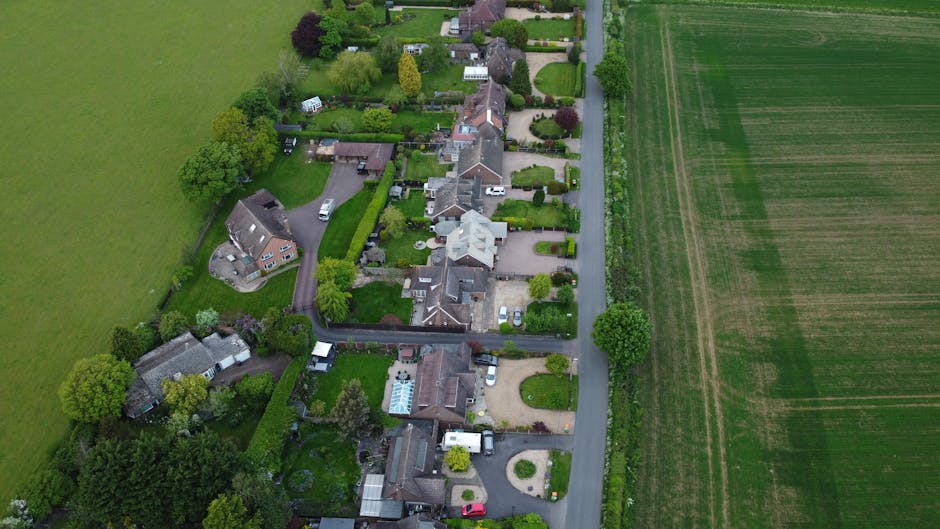
Pitshanger Village Garden Maintenance Case Study: A Practical Guide to Better Outdoor Spaces
If you're looking for a Pitshanger Village garden maintenance case study, you're probably trying to understand more than just what was done. You want to know why it worked, what the process looked like, how often maintenance was needed, and whether the same approach could suit your own garden. Fair enough. A tidy garden is one thing; a healthy, manageable, good-looking space through the seasons is another.
In this guide, we walk through the real-world thinking behind a local garden maintenance project in Pitshanger Village, with a focus on practical decisions, common pitfalls, and the kind of upkeep that makes a noticeable difference over time. It's not about flashy before-and-after claims. It's about steady, sensible maintenance that keeps a garden looking cared for without turning your weekends into a second job.
You'll find a clear process, a comparison of maintenance options, a practical checklist, and answers to the questions people usually ask before they commit. If you're weighing up regular upkeep, seasonal work, or a one-off tidy-up, this will give you a much better feel for what good garden maintenance actually involves.
Table of Contents
- Why Pitshanger Village garden maintenance case study Matters
- How Pitshanger Village garden maintenance case study Works
- Key Benefits and Practical Advantages
- Who This Is For and When It Makes Sense
- Step-by-Step Guidance
- Expert Tips for Better Results
- Common Mistakes to Avoid
- Tools, Resources and Recommendations
- Law, Compliance, Standards, or Best Practice
- Options, Methods, or Comparison Table
- Case Study or Real-World Example
- Practical Checklist
- Conclusion
- Frequently Asked Questions
Why Pitshanger Village garden maintenance case study Matters
Pitshanger Village has the kind of streets and front gardens that reward consistency. You notice it straight away: a clipped hedge, clean edging, healthy borders, and a lawn that doesn't look tired by midweek. Small details matter here because they shape the whole feel of a property. A garden that is looked after well can make a home feel calmer, smarter, and more lived-in in the best possible way.
A garden maintenance case study matters because it shows the process behind that result. It's easy to say a garden looks better after professional care. It's more useful to explain what changed, why those changes were chosen, and how the upkeep was structured so the garden could stay manageable. That sort of clarity helps homeowners, landlords, and even small business premises decide whether they need regular visits, a seasonal reset, or a one-off tidy.
To be fair, most gardens don't need heroic intervention. They need timing, observation, and a plan. One week it's the lawn. Another week it's the borders, the hedges, the weeds around paving, or that corner where everything starts to lean and sulk a bit. The point is not perfection. The point is control, health, and consistency.
That's also why people exploring services like garden design and landscaping in London often end up asking about maintenance as well. A lovely layout still needs care. Without upkeep, even good planting gets messy faster than people expect. The same applies if you're comparing ongoing support with a simpler service such as grass cutting or more detailed hedge cutting.
Expert summary: A strong garden maintenance plan is usually less about dramatic change and more about regular, well-timed work that protects shape, plant health, and kerb appeal. In a place like Pitshanger Village, that steady approach tends to give the best long-term result.
How Pitshanger Village garden maintenance case study Works
Good maintenance work starts with a proper look around. Not a hurried glance. A real assessment. In practice, that means checking the lawn condition, border density, weed pressure, hedge growth, path edges, plant health, and how the garden behaves in shade, sun, and wet weather. Sounds simple, but that first look sets the whole plan.
In a local garden maintenance scenario, the work often falls into a few familiar categories:
- Routine upkeep: mowing, edging, light weeding, trimming, and deadheading.
- Seasonal maintenance: leaf clearance, pruning, planting refreshes, and soil care.
- Restorative maintenance: dealing with neglected areas, overgrowth, and patchy lawns.
- Preventive maintenance: small tasks done regularly to stop bigger issues building up.
The practical part is matching the work to the garden's actual condition. A compact village garden with tidy planting might only need a light, regular service. A larger rear garden with mature shrubs, fast-growing hedges, and a few awkward corners will need more structured attention. Truth be told, the garden usually tells you what it needs if you take the time to listen.
If you're comparing wider outdoor services, it also helps to understand how maintenance fits alongside specialist work. For example, planting support may connect with flower bed planting, while structure and screening may involve shrub pruning. Maintenance is not just cleaning up. It's about balancing growth, shape, and long-term plant health.
In an established area such as Pitshanger Village, pathways, front boundaries, and visible borders often play a big role in first impressions. A maintenance plan might therefore prioritise front garden presentation during spring and summer, then switch focus to leaf management and hard surface cleaning in autumn. That seasonal rhythm is one of the simplest ways to keep a garden from getting away from you.
Key Benefits and Practical Advantages
There are several benefits to structured garden maintenance, and not all of them are cosmetic. A neat garden looks better, yes, but the practical value goes deeper than that.
- Healthier plants: regular deadheading, pruning, and weed control reduce stress on beds and borders.
- Better use of space: well-managed gardens feel larger and easier to enjoy.
- Reduced long-term effort: frequent light work is usually easier than occasional heavy rescue jobs.
- Improved safety: clear paths, tidy edges, and managed growth reduce trip hazards and awkward access.
- Stronger kerb appeal: especially useful for front gardens, rentals, and homes on visible streets.
- Seasonal resilience: a garden that is maintained through the year tends to handle weather changes better.
There's also a mental benefit people often underestimate. A well-kept garden is easier to step into and enjoy. You notice the quieter things then: bees moving through the borders on a warm morning, the smell of cut grass, that small moment after rain when the whole place seems to breathe again. It sounds a bit romantic, maybe, but it's real enough.
For landlords and homeowners, maintenance also reduces the chance that small problems turn into expensive fixes later. Ivy creeping into a fence line. Weeds cracking through paving. Shrubs becoming too dense and woody to recover easily. These are common issues, and they're much simpler to manage early.
Another benefit is consistency. A garden in Pitshanger Village that is maintained properly tends to age better. You're not constantly starting from scratch. Instead, you're refining what's already there, and that makes a real difference over a season or two.
Who This Is For and When It Makes Sense
This kind of garden maintenance support is useful for a fairly wide group of people. If any of the situations below sound familiar, the case study approach is probably relevant to you.
- Homeowners who want their front or rear garden to stay attractive without spending every weekend on it.
- Busy families who need practical, dependable upkeep rather than occasional big clean-ups.
- Landlords who want outdoor areas kept presentable between tenancies or during long lets.
- Older homeowners who prefer safe, manageable maintenance over heavy physical work.
- People preparing to sell and needing a garden that photographs well and feels cared for.
- Anyone returning from neglect who wants a garden brought back under control in stages.
It makes sense to invest in maintenance when the garden is no longer matching the time you realistically have available. That's the honest answer. Not every garden needs a full redesign. Sometimes what it needs is repeatable care, done properly and without drama.
If you're unsure whether maintenance is enough, ask yourself a few practical questions. Are the borders still clearly defined? Is the lawn recoverable with regular mowing? Are the shrubs becoming too large or blocking light? If the answer is "yes, mostly," maintenance is often the right first step. If the answer is "not really," you may need a more restorative approach before routine care can take over.
For larger or more challenging spaces, people sometimes combine maintenance with broader garden improvement work. That can include tree pruning where appropriate, or an initial tidy from a garden clearance service before ongoing upkeep begins. One size does not fit all. Never has, really.
Step-by-Step Guidance
Here's a sensible way to think about a garden maintenance project from start to finish. This is the sort of process that keeps work organised and avoids the classic mistake of doing too much in one go.
- Assess the garden properly. Identify the most urgent issues first: overgrowth, lawn condition, weed spread, poor drainage, dead plants, or blocked access.
- Set priorities. Decide what needs immediate attention and what can wait. A tidy edge might be quick; restoring a border may take longer.
- Create a seasonal plan. Spring, summer, autumn, and winter each bring different tasks. Don't treat them all the same.
- Start with the reset. This may involve clearing debris, cutting back growth, removing weeds, and restoring visibility and structure.
- Bring the lawn back into rhythm. Mow at an appropriate height, tidy the edges, and watch for bald patches or compaction.
- Re-establish the borders. Weed, shape, mulch if needed, and cut back anything swallowing the bed.
- Prune carefully. Remove dead, damaged, or unruly growth without overcutting. A hard cut is not always a smart cut.
- Set a maintenance frequency. Weekly, fortnightly, or monthly visits may make sense depending on the garden and the season.
The nice thing about this structure is that it gives you visible progress without creating new problems. Cutting back too hard, for example, can make a garden look instantly tidier but leave it sparse or stressed later. A more measured approach usually lasts longer.
Sometimes the first visit is the hardest. After that, everything gets easier. The garden settles. You can feel it. And the work shifts from rescue to rhythm, which is exactly where most people want to be.
Expert Tips for Better Results
There are a few practical habits that make a big difference, especially in a place like Pitshanger Village where gardens can be exposed to street dust, shade, fence lines, and fast seasonal growth.
- Don't mow too short. A slightly higher cut is often healthier, especially during dry spells or after stress.
- Edge regularly. Clean edges make the whole garden feel maintained, even before anything else changes.
- Prune with a reason. Each cut should improve shape, airflow, light, or plant health. If it doesn't, leave it.
- Watch the corners. Neglected corners often become the source of the biggest mess. Sneaky little areas, those.
- Use mulch where suitable. It helps reduce weeds and keep moisture in the soil, especially around borders.
- Plan for weather. Wet weeks change what can be done safely and effectively. Dry weather changes watering needs.
One of the best bits of advice is simply this: don't wait until the whole garden is shouting at you. Smaller jobs done regularly are more efficient and usually less stressful. It's the difference between a light weekly reset and a full-day battle with brambles. You know which one sounds better.
Also, if you're managing a garden with mixed planting, it helps to keep a simple seasonal note of what gets cut and when. Nothing fancy. A notebook, a calendar entry, a phone note. That little bit of memory support saves a lot of guesswork later.
For properties needing added privacy or structure, combining maintenance with tailored planting can make the space feel more considered. In those cases, a service such as hard landscaping may sit alongside softer maintenance work, depending on the layout and the condition of the site.
Common Mistakes to Avoid
Most garden maintenance problems are avoidable. That's the frustrating bit, really. The same issues come up again and again, usually because the garden was either left too long or "fixed" too aggressively.
- Leaving everything until it becomes urgent. Once growth gets out of hand, the work becomes slower and more expensive.
- Over-pruning. Hard cutting without understanding the plant can weaken it or ruin its shape.
- Ignoring weeds in hard surfaces. A few weeds in paving are easier to remove early than after they root deeply.
- Running the mower too low. Short grass is not always healthy grass.
- Forgetting seasonal tasks. Leaf fall, frost, and summer growth all need different responses.
- Assuming one tidy-up will solve everything. For many gardens, the real solution is repeat maintenance.
A subtle mistake is trying to make every part of the garden "perfect" at once. That's not usually how good outdoor spaces are maintained. Better to restore structure first, then refine the details. Otherwise you risk spending hours on minor points while the bigger issues stay untouched. Happens all the time.
Another common issue is not budgeting time for disposal. Cuttings, weeds, and prunings take up space and need removing properly. If you forget that part, the garden can look half-finished even after good work has been done.
Tools, Resources and Recommendations
You don't need an enormous toolkit for sensible garden maintenance, but the right basics make the work cleaner and safer. For routine upkeep, most gardens benefit from a modest set of dependable tools rather than loads of specialist gear.
| Task | Useful Tool or Approach | Why It Helps |
|---|---|---|
| Lawn care | Mower, edging tool, rake | Keeps grass even, borders crisp, and that overall finish neat |
| Weed control | Hand weeder, hoe, mulch where appropriate | Helps remove roots and reduce repeat growth |
| Hedge and shrub trimming | Secateurs, shears, pruning saw for larger woody stems | Supports clean cuts and better plant shape |
| Leaf clearance | Rake, blower, collection bags or bins | Prevents slippery paths and smothered beds |
| Border upkeep | Gloves, fork, spade, compost or mulch | Improves soil condition and keeps planting areas manageable |
If you're not sure whether to manage the work yourself or bring someone in, think about the garden's size, plant complexity, and the time you actually have. A small, simple plot may be perfectly manageable with a regular routine. But a larger garden with hedges, mature shrubs, and awkward access can turn into a weekend-eating machine.
That's where specialist support becomes valuable. A broader service page such as garden maintenance services can help you understand the kind of ongoing support available, while more specific care like weed control may solve one of the most persistent headaches on its own.
One small recommendation that often gets overlooked: keep a simple seasonal maintenance note. What was cut, what was fed, what looked weak, what rebounded well. Not glamorous, but incredibly useful.
Law, Compliance, Standards, or Best Practice
For most domestic garden maintenance work in the UK, the main focus is best practice rather than heavy regulation. Even so, there are sensible standards worth following. You want the work done safely, responsibly, and with respect for neighbours, boundaries, and the plants themselves.
Good practice usually means:
- Using tools safely and appropriately for the task.
- Handling green waste responsibly.
- Avoiding damage to shared boundaries, fences, or neighbouring property.
- Taking care around nesting birds and active wildlife.
- Checking access and trip hazards before work starts.
If trees are involved, extra care may be needed. Some work can be sensitive, especially around protected trees or conservation-related constraints. That does not mean every job becomes complicated, but it does mean you should avoid assumptions. Where in doubt, take advice before cutting hard.
For rental properties, the condition of outdoor spaces can also matter in practical terms, particularly where access, safety, and basic presentation are concerned. Keep records of regular maintenance if needed. Simple notes are often enough. Nothing fancy, just enough to show a sensible routine was followed.
And yes, there's an etiquette side too. Early morning noise, debris on pavements, and overhanging growth can all become friction points in a close-knit area. A careful approach goes a long way.
Options, Methods, or Comparison Table
Most people choosing garden maintenance in Pitshanger Village are really deciding between a few different ways of managing the same space. The right choice depends on how much time you have, how fast the garden grows, and whether you're dealing with a tidy space or a neglected one.
| Approach | Best For | Pros | Limitations |
|---|---|---|---|
| DIY routine maintenance | Small or simple gardens | Low cost, flexible, personal control | Can become time-consuming; easy to miss seasonal work |
| One-off tidy-up | Overgrown or neglected gardens | Fast visual improvement, useful reset | Doesn't solve ongoing growth without follow-up |
| Regular maintenance visits | Busy households, landlords, presentable front gardens | Consistent results, less stress, easier long-term upkeep | Requires ongoing commitment |
| Hybrid approach | Gardens needing a reset plus ongoing care | Practical balance of repair and routine | Needs a clear plan from the outset |
In many real situations, the hybrid approach makes the most sense. You begin with a proper reset, then move into regular maintenance once the space is under control. It's not the most dramatic option, but honestly, it's often the smartest one.
Case Study or Real-World Example
Here's a realistic example of how a Pitshanger Village maintenance project might unfold, based on the kind of work commonly carried out in the area.
A front and rear garden had become unevenly maintained over the course of a busy season. The front looked acceptable from a distance, but the edging had softened, weeds were appearing in the paving, and a hedge had begun to crowd the path. The rear garden was more relaxed and private, but the borders were blurring into one another and the lawn had become patchy in places where shade and foot traffic had taken their toll.
The first step was not to rush in with a mower and hope for the best. Instead, the space was assessed in sections. The front needed a clear visual reset: edge definition, weed removal, hedge shaping, and a tidier finish around the path. The rear needed a softer touch: deadheading, selective pruning, weed control, and a plan for improving the lawn's routine care rather than hacking it down.
What made the difference was timing. A single session dealt with the immediate mess, but the real improvement came from setting a maintenance pattern. The garden was easier to keep tidy once the structure returned. Paths looked cleaner. Borders were readable again. The lawn stopped being the weak point. And the owner, crucially, could enjoy the space without feeling like they were being nagged by it every time they looked out of the window.
That's the useful lesson here. A good maintenance job should change how a garden feels to live with, not just how it looks on the day. If the space becomes easier to care for, the work has done its job properly.
Practical Checklist
Use this checklist if you're planning your own garden maintenance project or reviewing whether a service has covered the right ground.
- Have the main priorities been identified clearly?
- Is the lawn healthy enough for regular mowing, or does it need recovery work?
- Are the edges and borders clearly defined?
- Have weeds been removed from beds and hard surfaces?
- Are shrubs and hedges trimmed in a way that suits the plant?
- Has leaf, litter, or debris clearance been included?
- Are any unsafe or awkward access points now manageable?
- Has a sensible maintenance schedule been agreed?
- Have cuttings and waste been dealt with properly?
- Does the garden now feel easier to maintain next month, not just today?
Quick reminder: if the answer to the last question is "yes," you're probably on the right track.
Conclusion
A strong Pitshanger Village garden maintenance case study is really a lesson in consistency. The best results usually come from clear priorities, regular care, and a realistic plan that suits the garden's size and the owner's time. Nothing magical. Just steady, well-judged work that keeps the space healthy, tidy, and pleasant to use.
Whether you're dealing with a compact front garden, a leafy rear space, or something that has slipped a little over the seasons, the same principles apply: start with structure, protect plant health, and keep the work manageable. That way, your garden improves without becoming a burden.
If you're ready to take the next step, compare the kind of upkeep your garden needs with the services that fit it best. A sensible plan now usually saves a lot of effort later, and lets face it, that's a relief everyone appreciates when spring growth starts racing away.
Get a free quote today and see how much you can save.
And if you're standing at the back door looking at a garden that feels a bit too much at the moment, don't worry. Most good spaces start with one decent reset and a calm, practical plan.
Frequently Asked Questions
What does a Pitshanger Village garden maintenance case study usually show?
It usually shows how a garden was assessed, what maintenance tasks were prioritised, and how the work was structured to keep the space tidy and manageable over time. The useful part is the process, not just the finished look.
Is garden maintenance the same as garden clearance?
No. Garden clearance is usually more about removing heavy build-up, overgrowth, and debris. Maintenance is the ongoing care that keeps the garden in good condition after the reset. They often work together, though.
How often does a garden in Pitshanger Village need maintenance?
That depends on the size of the garden, the planting style, and how quickly things grow. Some gardens need weekly or fortnightly attention in the growing season, while others do well with monthly visits and seasonal jobs.
Can maintenance improve a neglected garden quickly?
Yes, it can make a big visual difference quite quickly, especially if the main issues are weeds, soft edges, or overgrown shrubs. But if the garden has been neglected for a long time, it usually needs a proper reset before routine maintenance will hold.
What tasks are usually included in regular garden maintenance?
Common tasks include mowing, edging, weeding, trimming, deadheading, leaf clearance, and light pruning. Some gardens also need hedge care, border refreshes, or seasonal planting support.
What should I look for in a garden maintenance service?
Look for clear communication, a sensible maintenance plan, attention to plant health, and a practical approach to seasonal work. You want someone who understands the garden, not just someone who can make it look tidy for a day.
Is it worth combining maintenance with landscaping work?
Often yes. If the garden has structural issues, poor layout, or tired features, maintenance alone may not solve everything. In those cases, combining it with selected landscaping or planting improvements can create a better long-term result.
What happens if I leave garden maintenance too long?
Weeds spread, hedges lose shape, lawns decline, and borders become harder to manage. The work gets heavier and more time-consuming, and in some cases the garden may need a full recovery job before regular upkeep can begin again.
Do I need special permission for normal garden maintenance?
Usually not for ordinary domestic maintenance. However, tree work, boundary issues, wildlife nesting, or anything involving protected status can change that. It's wise to check carefully before cutting hard or removing anything significant.
What's the best season to start garden maintenance?
There isn't one perfect season, because gardens need attention year-round. Spring is a common time to reset growth, summer is about control and watering, autumn brings leaf and clearance work, and winter is often for planning and selective pruning.
Can a small garden still benefit from professional maintenance?
Absolutely. Small gardens can be deceptively demanding, especially if they're visible from the street or packed with planting. A little regular care can make a small space feel much calmer and more spacious.
How do I know whether I need one-off work or ongoing maintenance?
If the garden has simply got behind and needs a tidy-up, one-off work may be enough for now. If growth keeps coming back fast, or you want the garden to stay consistently presentable, ongoing maintenance is usually the better option.