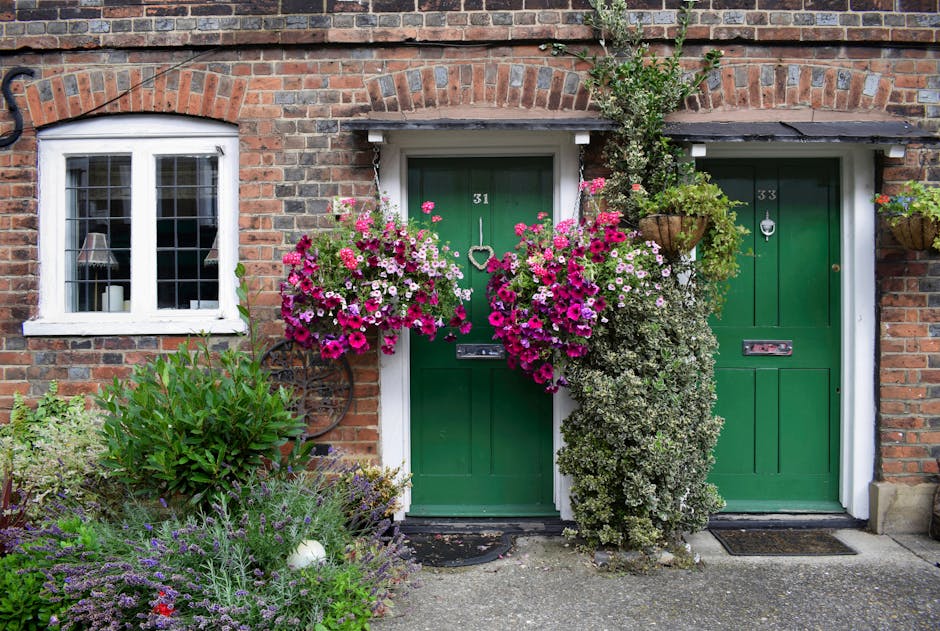
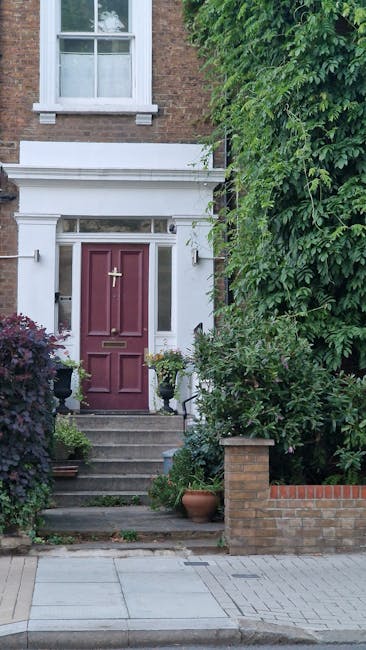
Top gardeners in Ealing for small front garden makeovers
If your front garden in Ealing feels a bit tired, cramped, or simply not doing the house any favours, you are not alone. Small front gardens can be tricky. They need to look welcoming, stay practical, and cope with London weather, foot traffic, bins, bikes, deliveries, and the odd patch of shade from a neighbouring tree. That is exactly why people search for Top gardeners in Ealing for small front garden makeovers rather than a generic landscaping service.
The right gardener can turn a narrow, awkward space into something tidy, balanced, and genuinely lovely to come home to. Not flashy for the sake of it. Just better. More usable. More you. In this guide, you will learn how small front garden makeovers work, what good gardeners actually do, what to avoid, and how to judge whether a local service is the right fit. We will also cover practical steps, compliance, costs, and a realistic example so you can make a confident decision without the usual guesswork.
Quick takeaway: The best small front garden makeover is rarely about adding more. It is about better layout, cleaner lines, lower-maintenance planting, and details that make a tiny space feel calm rather than cluttered.
Why Top gardeners in Ealing for small front garden makeovers Matters
A small front garden does a lot of heavy lifting. It is the first thing visitors see, the bit that shapes kerb appeal, and often the space that sets the tone for the rest of the property. In Ealing, where you will find everything from Victorian terraces to semi-detached family homes and compact modern plots, front gardens often have a very specific challenge: they need to look good at close range, from the pavement, and from inside the house too.
That is why the right gardener matters. A good one understands scale. They know that in a small space, one overgrown shrub can dominate the whole scene. They also know that a makeover is not just about planting flowers and hoping for the best. It can involve improving drainage, refreshing borders, reshaping pathways, replacing tired edging, and choosing plants that suit light levels and maintenance habits.
Small front gardens also carry practical pressures. You may need space for access, wheelie bins, a narrow path, a step up to the door, or a place where rainwater tends to collect after a heavy shower. A top local gardener will notice these details early, which saves you from the annoying little problems that show up later. Truth be told, that is where many DIY makeovers go sideways.
Ealing homeowners often want a front garden that feels neat without looking sterile. That balance is hard to get right. Too little structure and the space feels messy. Too much hard landscaping and it loses warmth. The best approach sits somewhere in the middle, and it usually starts with a clear plan rather than buying a few plants on a Saturday afternoon and hoping for a miracle.
How Top gardeners in Ealing for small front garden makeovers Works
A small front garden makeover usually follows a simple but thoughtful process. It is not magic, although some results do feel a bit like it when the place suddenly looks twice as spacious. The gardener begins by understanding how the space is used, what problems it has, and what look you want to achieve.
In practical terms, the process often includes:
- measuring the space and identifying key features
- checking sunlight, shade, and drainage
- deciding what should stay, go, or be moved
- choosing a layout that improves flow
- selecting plants and materials that suit the site
- carrying out the work in a tidy, controlled way
- explaining aftercare so the new design lasts
For small gardens, the design phase is especially important. A narrow border that is too deep can eat into the usable area. A path that is too wide can make the rest of the garden feel pinched. Even the choice of paving colour matters because lighter materials can open up a tight space, while darker ones may make it feel more enclosed.
Good gardeners in Ealing will also think about maintenance from day one. If you do not want weekly pruning, then the planting scheme should not be built around high-maintenance shrubs. If you want a polished look through winter, the plan should include evergreen structure, not just summer colour. That kind of practical thinking is what separates a decent job from a really useful one.
If you are comparing providers, it helps to look beyond the headline service and review their broader approach on a page like the full services overview. You can usually tell fairly quickly whether a company works with detail, or just turns up and trims what is in front of them.
Key Benefits and Practical Advantages
A well-executed front garden makeover gives you more than a nice photo for the doorbell camera. It can make day-to-day life simpler and the property feel more cared for. That matters whether you are planning to stay long-term or preparing for a future sale.
- Stronger first impressions: a neat, balanced front garden makes the whole property feel looked after.
- Better use of limited space: clever layouts can make a small garden feel more open and easier to walk through.
- Lower maintenance: the right plant choices reduce the amount of trimming, watering, and replacing.
- Improved seasonality: a good design keeps the garden interesting in winter, spring, and summer rather than only one brief burst of colour.
- Practical function: pathways, edging, access points, and bin storage can be integrated without making the space awkward.
- Local suitability: Ealing gardens vary quite a lot, so a local gardener is more likely to understand the common soil, shade, and frontage issues seen around the area.
There is also a quiet psychological benefit. You walk up to the house, and instead of seeing a patch of tired soil and a leaning shrub, you see order. A little welcome. It changes the feel of the whole arrival. Small thing, maybe. But it really does matter.
For many homeowners, a makeover also gives a sense of reset. You stop stepping around the same eyesore every day. You stop thinking, "must sort that out someday." And suddenly, someday becomes this month.
Who This Is For and When It Makes Sense
This kind of service makes sense if your front garden is small, visible, and no longer working for you. That could mean it is overgrown, patchy, badly laid out, full of weeds, or simply dull. It can also mean the garden is technically fine but lacks structure or personality.
You may be a good fit if you:
- own a terraced, semi-detached, or compact detached home in Ealing
- want the front of the property to look smarter with less effort
- need a low-maintenance design because you are busy
- are preparing a home for market and want better kerb appeal
- have drainage, shade, or access issues that need a proper solution
- have inherited a garden that looks unfinished or mismatched
It also makes sense if you are not sure where to start. A lot of people know their front garden needs help, but they cannot picture the end result. That is normal. A skilled gardener will help you narrow options and avoid expensive detours.
At this stage, a conversation about budget and scope is worth having early. A provider that offers clear guidance on pricing and quotes can help you understand what is realistic for your space, rather than leaving you to guess. To be fair, guessing is where budgets go to die.
Step-by-Step Guidance
If you want a sensible way to approach a small front garden makeover, start here. This is the part many people skip, then wonder why the finished result feels a bit off.
- Assess the space honestly. Stand outside the house and look at what you see first. Is the issue clutter, layout, planting, tired materials, or all of it?
- Set one clear goal. For example: low maintenance, more welcoming, better drainage, or a sharper modern look. Small gardens usually work best with one main objective.
- Decide what stays. Sometimes a good shrub or pathway can be reused. Keeping one or two solid elements can save money and preserve character.
- Map the circulation. Where do people walk? Where does the post land? Where are the bins stored? A front garden that ignores daily movement will always feel awkward.
- Choose structure before decoration. Edging, paving, steps, and planting zones should come before the ornamental details.
- Pick plants for the site, not the catalogue. Shady front gardens need different choices from bright south-facing ones. The plant has to suit the spot, not just look good in a pot.
- Think about year-round appearance. A front garden should not collapse visually in November. Aim for shape, texture, and evergreen interest.
- Plan maintenance. Be realistic. If you will not prune every few weeks, do not choose a scheme that depends on that.
- Ask for a tidy finish. Small spaces show mess quickly. Crisp edging, clean joints, and neat transitions matter more than people expect.
- Review aftercare. Ask what watering, feeding, cutting back, or seasonal checking is needed once the work is done.
A short site visit can reveal a lot. Morning light, street noise, soil that stays damp under a hedge, a cracked path nobody has noticed for years, the odd root pushing up by the gate. Those little details shape the final plan more than a pretty mood board ever will.
Expert Tips for Better Results
Small front gardens reward restraint. That is the main tip, really. If you try to squeeze in too much, you lose the sense of calm that makes the makeover work in the first place.
Here are a few practical ways to get better results:
- Use repetition. Repeating two or three plant types usually looks smarter than scattering lots of different ones around.
- Keep the tallest elements under control. Anything too tall can block sightlines or make the space feel tighter than it is.
- Choose a limited colour palette. Greens, whites, soft blues, and one accent colour often look cleaner than a full rainbow.
- Frame the entrance. The front door area should feel intentional. Even a simple pair of planters or a neat border can help.
- Use texture, not clutter. Ferns, grasses, clipped hedges, bark, stone, and evergreen foliage can create interest without overcrowding.
- Let the path breathe. If a walkway is crowded with planting, it can feel like squeezing through a corridor. Not ideal.
One small but important observation: in tiny gardens, edging makes a disproportionate difference. A crisp edge between lawn and border, or paving and planting, can make the whole place look more expensive even if the materials themselves are modest. Funny how that works, but it does.
It is also wise to think about visibility from inside the house. If your front room looks out onto the garden, then the design should please you from both sides of the glass. Morning coffee by the window should feel better, not busier.
If you want to understand how a professional team handles the practical side of the job, it can help to review their health and safety policy and insurance and safety information. That is not just paperwork; it tells you how seriously they treat site work, tools, and property protection.
Common Mistakes to Avoid
Most disappointing front garden makeovers fail for predictable reasons. The good news is that those mistakes are usually avoidable.
- Overplanting: A small garden can look crowded very quickly. Leave room for plants to grow.
- Ignoring maintenance: A dramatic design that needs constant care is not much of a win if you are busy or away often.
- Using the wrong scale: Large features can overpower a small frontage. Tiny features can disappear entirely.
- Forgetting drainage: If water pools after rain, that problem should be fixed before the new design goes in.
- Choosing style over suitability: The garden has to suit the house, the soil, and the way you live.
- Skipping the quote detail: A vague estimate can hide gaps in labour, materials, or aftercare.
- Not asking about waste removal: Old soil, clippings, broken slabs, and removed shrubs all have to go somewhere.
A common one in London front gardens is trying to do everything in one go without considering access. If the gardener cannot get materials in and waste out efficiently, the job becomes messier and slower than it needs to be. Minor thing, but it matters a lot on a tight front path.
If sustainability matters to you, ask how green waste is handled and whether recycled or responsibly sourced materials are used where suitable. A provider that explains its recycling and sustainability approach is usually thinking beyond the quickest fix, which is a good sign.
Tools, Resources and Recommendations
You do not need a van full of kit to plan a small front garden makeover, but a few simple resources can make the process much smoother.
Useful tools for planning
- measuring tape or laser measure
- phone camera for before photos
- simple sketch of the frontage
- sun and shade notes across the day
- list of must-keep and must-remove features
What to ask a gardener
- How would you improve the layout of a small front garden?
- Which plants would suit my light and soil conditions?
- How do you handle waste removal and site tidiness?
- What does the quote include, and what is extra?
- How much ongoing maintenance will the design need?
Before booking, it is sensible to check practical details like payment options, terms, and booking confidence. A clear payment and security page can help set expectations and reduce friction later. If you are comparing a few local providers, that kind of clarity is often a better signal than glossy marketing.
It can also help to understand how the business handles customer support. Small jobs still deserve proper process. A straightforward complaints procedure and accessible contact information show that the company is prepared to stand behind its work, which is reassuring whether the project is large or tiny.
And if you are simply looking for a starting point, the home page at Lawn Mowing Ealing is a sensible place to explore the wider local service range before narrowing down your makeover brief.
Law, Compliance, Standards, or Best Practice
For a small front garden makeover, most of the important compliance points are practical rather than dramatic. You are usually dealing with access, waste, safety, and neighbour consideration rather than anything highly regulated. Still, good practice matters.
In the UK, reputable gardeners and landscaping teams should work carefully around:
- site safety: tools, trip hazards, lifting, and safe working around paths and entrances
- insurance: appropriate cover for accidental damage and workplace issues
- waste disposal: responsible handling of green waste and removed materials
- property access: keeping entrances usable and minimising disruption
- clear pricing: written or clearly explained quotes and scope
If your front garden involves shared access, boundary edges, or work close to a pavement, it is sensible to confirm what permissions or precautions may be needed. Not every situation is the same, and local conditions vary. A good gardener will flag anything unusual rather than assume.
It is also worth checking accessibility needs. If a resident, visitor, or delivery route requires easier movement, the design should reflect that. For some households, this means wider paths, fewer abrupt changes in level, or clearer sightlines. If accessibility is a concern, a provider's accessibility statement can give a useful indication of how they think about inclusive service.
One final point: reputable businesses should also be transparent about ethical and operational standards. That includes things like a modern slavery statement where published, especially for larger or more structured operations. It may seem far removed from a garden makeover, but it speaks to the way a company handles responsibility overall.
Options, Methods, or Comparison Table
There is no single right way to tackle a small front garden. The best method depends on your goals, budget, and how much upkeep you are willing to handle. Here is a simple comparison to help narrow the choice.
| Approach | Best for | Pros | Trade-offs |
|---|---|---|---|
| Light refresh | Gardens that are basically functional but tired | Lower cost, quicker turnaround, minimal disruption | May not solve deeper layout or drainage issues |
| Planting-led makeover | Spaces needing more interest without major building work | Softens the frontage, improves seasonality, often low maintenance | Needs the right plant choices and seasonal care |
| Hardscape-led redesign | Gardens with poor access, tired paving, or awkward levels | Strong structure, practical improvements, clearer finish | Usually more expensive and more disruptive |
| Hybrid approach | Most small front gardens | Balances structure, planting, and usability | Needs good planning to avoid overcrowding |
For most Ealing homes, a hybrid approach tends to work best. A tidy path, a bit of refreshed edging, carefully chosen planting, and perhaps one focal feature can be enough to transform the space without making it feel overdesigned. Small gardens do not need shouting. They need clarity.
Case Study or Real-World Example
Here is a realistic example based on a typical Ealing front garden scenario. A homeowner has a narrow frontage with a small patch of tired lawn, a couple of scruffy shrubs, uneven edging, and a path that has started to feel squeezed in by the planting. The space is not broken, exactly, but it feels neglected and a bit awkward.
The makeover starts with a straightforward brief: keep maintenance manageable, make the entrance feel brighter, and stop the front garden from looking cluttered. The gardener removes the weak planting, redefines the border edges, and replaces the patchy lawn section with a cleaner, easier-to-manage surface. Then they introduce a simple planting scheme with evergreen structure, a few seasonal highlights, and a compact focal plant near the entrance.
The result is not dramatic in a showy way. But it is calmer. The path feels wider. The eye moves naturally toward the door. From the pavement, the whole frontage reads as intentional rather than improvised. On a damp Thursday morning, that matters more than a lot of people realise. You come out with a coat on, cup of tea in hand, and the place just feels sorted. That is the win.
What made the difference was not a huge budget or a complicated plan. It was proportion, restraint, and proper attention to the site. A small front garden does not need excess. It needs care.
Practical Checklist
Use this checklist before you book or begin the makeover.
- Have I decided the main goal: low maintenance, better kerb appeal, or a full redesign?
- Do I know what needs removing, keeping, or reshaping?
- Have I considered light, shade, drainage, and access?
- Is there enough room for the path, bins, and daily movement?
- Have I asked for a clear quote and scope of work?
- Do I understand what maintenance the new design will need?
- Has waste removal been discussed?
- Are safety, insurance, and site protection explained clearly?
- Does the design suit the house style and the street setting?
- Have I chosen plants that will still look good in six months, not just next week?
If you can tick most of those off, you are in good shape. If not, slow down a bit. A front garden makeover is much easier when the decisions are made before the first spade goes in.
Conclusion
Finding the right gardener for a small front garden makeover in Ealing is really about finding someone who understands proportion, practicality, and the character of the space. The best results usually come from thoughtful planning, realistic plant choices, tidy execution, and a design that works hard without looking like it is trying too hard.
Whether your goal is a smarter entrance, less maintenance, better drainage, or simply a front garden that no longer makes you wince every time you unlock the door, a good local gardener can help you get there. Start with clarity, ask good questions, and choose a team that treats the details seriously. That is where the value lives.
Get a free quote today and see how much you can save.
And if you are ready to explore options with a local team, take the next step with confidence. A small front garden can make a surprisingly big difference, and once it is right, it gives back every single day.
Frequently Asked Questions
What do gardeners in Ealing usually do for a small front garden makeover?
They usually look at layout, planting, edging, paths, drainage, and maintenance needs. The best makeovers are not just decorative; they make the space easier to use and simpler to keep tidy.
How much does a small front garden makeover cost in Ealing?
It varies a lot depending on the size of the garden, the amount of removal work, materials, and whether you want a light refresh or a more involved redesign. A proper quote should break this down clearly.
How long does a small front garden makeover take?
Some refreshes can be completed quite quickly, while more detailed jobs may take longer if there is hard landscaping, waste removal, or planting work involved. The exact timeframe depends on the scope and site conditions.
What makes a front garden makeover look good in a small space?
Clear structure, limited plant variety, good edging, and the right scale are usually the biggest factors. In a small garden, simplicity often looks more polished than trying to pack in lots of features.
Can a gardener help with low-maintenance front garden design?
Yes. In fact, that is one of the most useful reasons to hire a professional. A gardener can recommend plants and layouts that reduce ongoing work while still looking attractive through the year.
Do I need planning permission for a front garden makeover?
Most simple garden makeovers do not need planning permission, but situations involving major changes, shared boundaries, access, or significant hard landscaping may need extra thought. If in doubt, ask a local professional or check with the relevant authority.
What plants work well in a small front garden?
That depends on sun, shade, soil, and how much maintenance you want. Small evergreen shrubs, compact grasses, and well-chosen seasonal planting often work well because they give structure without overwhelming the space.
How do I choose the right gardener for a small front garden?
Look for clear communication, a sensible quote, relevant local experience, and a practical approach to maintenance and safety. It also helps if they explain how they would improve a small space rather than just offering generic planting ideas.
Is it better to keep lawn in a small front garden?
Sometimes, but not always. In very small spaces, a lawn can become awkward to maintain and may not add much visual value. Many homeowners choose to reduce lawn area in favour of planting, paving, or a mixed approach.
What should be included in a quote for garden work?
A good quote should explain labour, materials, waste removal, and any extra items that could affect the final price. If anything is unclear, ask before work starts. Clear quoting avoids confusion later.
How can I make my front garden look bigger?
Use clean lines, avoid overcrowding, limit the number of plant types, and keep pathways and borders clearly defined. Lighter surfaces and a simple layout can also make a tight space feel more open.
Why choose a local Ealing gardener instead of a general landscaping firm?
A local gardener is more likely to understand the typical conditions, property styles, and practical constraints found in Ealing. That local familiarity can make planning easier and the result more suited to the street and house style.